SALT AND TIME
Industrial route of the Ulcinj Saltworks
A story about salt, people, technology and the landscape that shaped Ulcinj.
There are places whose value is measured not only by their natural beauty, but also by the people who shaped them. Ulcinj Salina is one of those places.
For more than eight decades, the “Bajo Sekulić” Salina was one of the largest producers of sea salt on the eastern Adriatic coast and an important part of the economic and social life of Ulcinj. Generations of water-management workers, laboratory technicians, mechanics, electricians, engineers, administrative staff and salt harvesters created a complex system in which nature, people and technology were inseparably connected.
Sun, sea and wind were the basis of salt production, but without kilometres of canals and embankments, pumping stations, laboratories, workshops, warehouses, machinery and, above all, the knowledge of the people who managed the system, Ulcinj Salina could not have existed.
About the project
“Salt and Time” is a project dedicated to the research, valorisation and contemporary interpretation of the industrial cultural heritage of the former “Bajo Sekulić” Ulcinj Salina.
Through archival and literature research, interviews with former workers, the collection of historical photographs, and the documentation and mapping of industrial buildings, the project reveals a part of the Salina’s history that today often remains hidden behind its distinctive natural landscape.
The aim of the project is to preserve the stories of the people, buildings, knowledge and technology that sustained salt production for almost eight decades, and to present them in a contemporary and accessible way to the people of Ulcinj and visitors to the Salina.
The project is implemented by the Dr Martin Schneider-Jacoby Association – MSJA, with the support of the Tourism Organisation of the Municipality of Ulcinj, through the Public Call for participation in the allocation of funds for the selection of cultural heritage valorisation projects related to archaeological research, conservation and restoration works, reconstruction, and the promotion of cultural heritage within the territory of the Municipality of Ulcinj.
The views and opinions expressed are solely those of the authors and do not necessarily reflect the views of the Ulcinj Tourism Organisation. Ulcinj.
More than a Nature Park
Today, Ulcinj Salina is recognised as one of the most important areas for birds on the eastern Adriatic coast. Its salt pans, canals and embankments provide important wetland habitats, particularly for migratory birds that find places to rest, feed and nest here.
But the landscape we perceive as natural today was not created without human intervention.
The salt pans, embankments and canals were built for salt production. It was precisely this industrial system, created and maintained by generations of workers, that shaped the area we know today as a Nature Park.
This is why the natural and industrial heritage of Ulcinj Salina cannot be viewed separately. Here, nature and industry are not opposites. Together, they tell the story of the creation of a unique landscape.
How did it all begin?
The story of the Salina begins long before the first salt harvest.
In 1885, on the orders of Princess Milena, work began on excavating the Port Milena canal, with the aim of draining the Zoganje marsh, creating arable land and reducing the spread of malaria.
Major floods of the Bojana and Drim rivers in 1896 allowed seawater to enter through the canal, permanently increasing the salinity of the area and creating the natural conditions for the future production of sea salt.
From marshland to a salt factory
In the 1920s, after years of research along the Adriatic coast, engineers Guido Grisogono and Antun Koludrović selected Ulcinj as the site for the construction of a large sea saltworks. High salinity, a large number of sunny days, favourable winds, an extensive plain and impermeable soil made this area almost ideal.
Construction of the Salina lasted from 1927 to 1934, and the first salt harvest took place in 1935.
This marked the beginning of an industrial story that would last for almost eight decades.
How did the Salina work?
At first glance, producing sea salt requires only the sea, sun and wind. In reality, every crystal of salt was the result of a precisely organised process.
Seawater was pumped into a system of canals and salt pans, where it gradually evaporated. As the salt concentration increased, the water was directed further through the system until salt crystals ready for harvesting formed in the crystallisation ponds.
Water-management workers monitored the movement and levels of water every day, the laboratory controlled salinity and quality, workshops maintained machinery and pumps, warehouses stored equipment and materials, while processing facilities prepared the harvested salt for the market.
At the height of production, the Salina functioned like a small town, with its own infrastructure, workshops, vehicle fleet, energy system and specialised services. Every part of the system depended on the others.
The people of the Salina
Behind every salt pan, canal, pump and machine were people.
Over almost eight decades of operation, thousands of workers from many different professions passed through the Salina. For many families in Ulcinj, it was not simply a place of employment, but a part of everyday life.
It was a place where people gained their first work experience, built friendships and passed knowledge from older to younger generations. The work was often physically demanding, while production depended on the experience of people who had to understand both nature and technology.
Today, their memories are just as important as the surviving buildings and machinery. Without the stories of the people who worked at the Salina, its history would not be complete.
Industrial route of the Ulcinj Saltworks
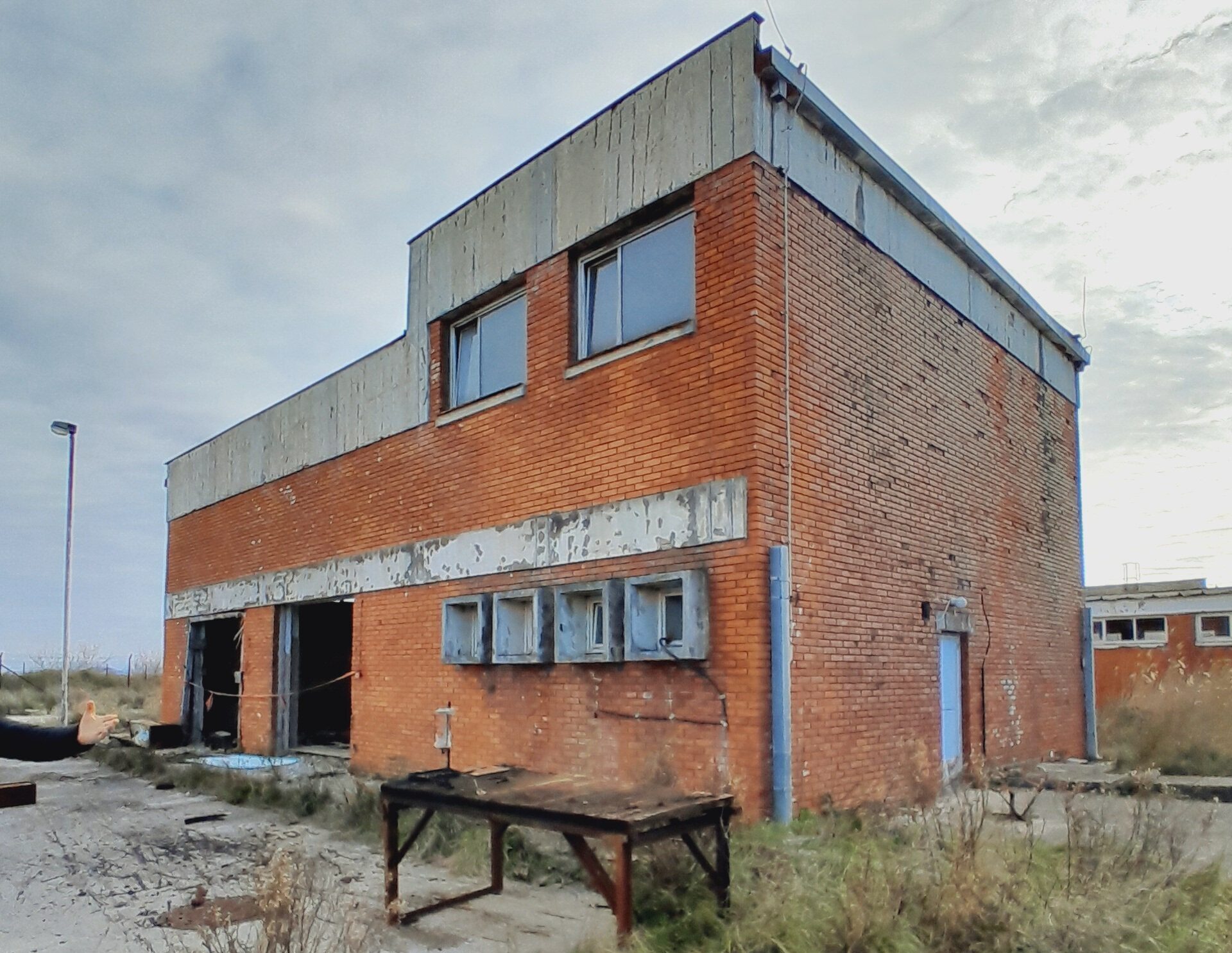
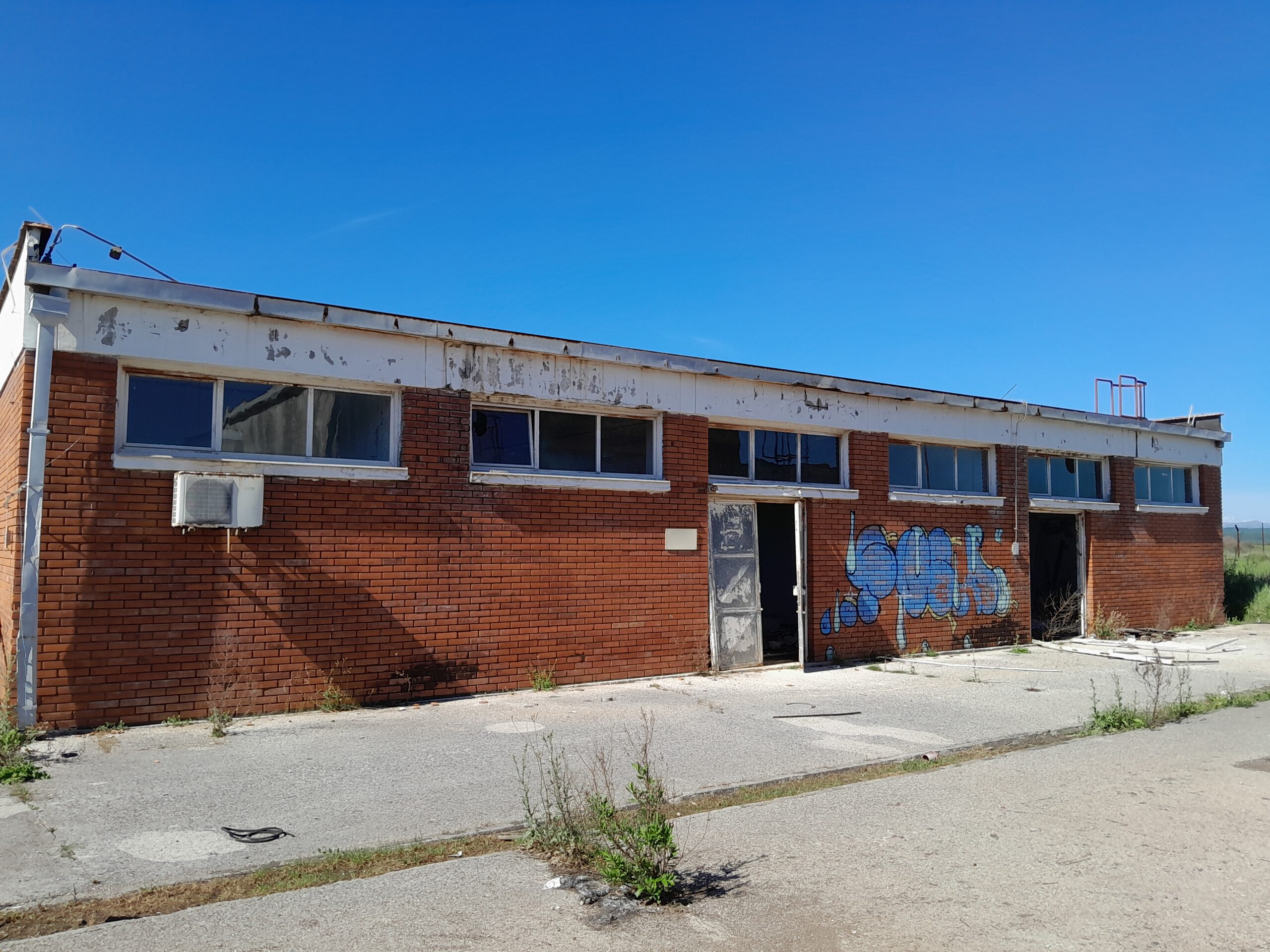
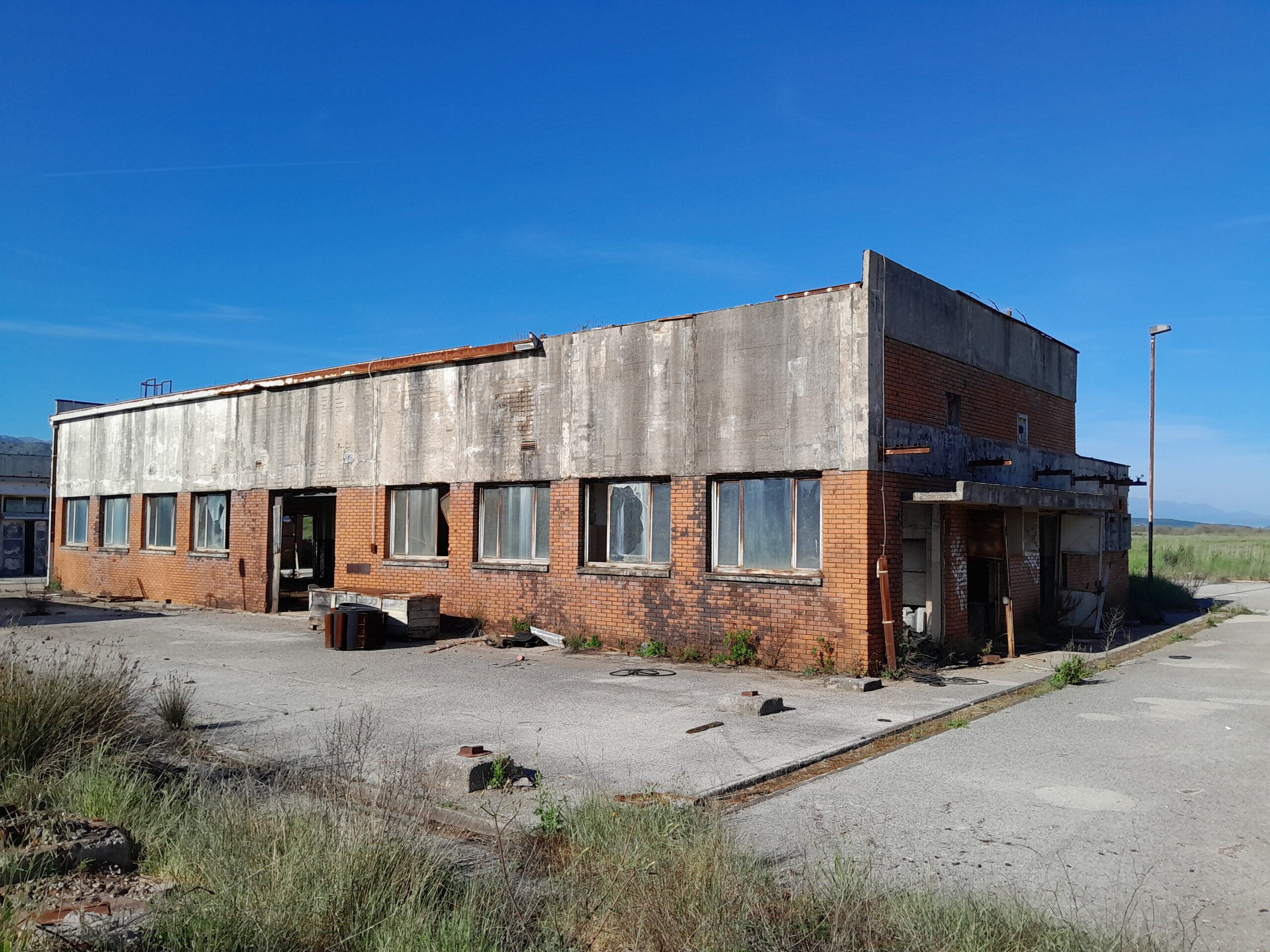
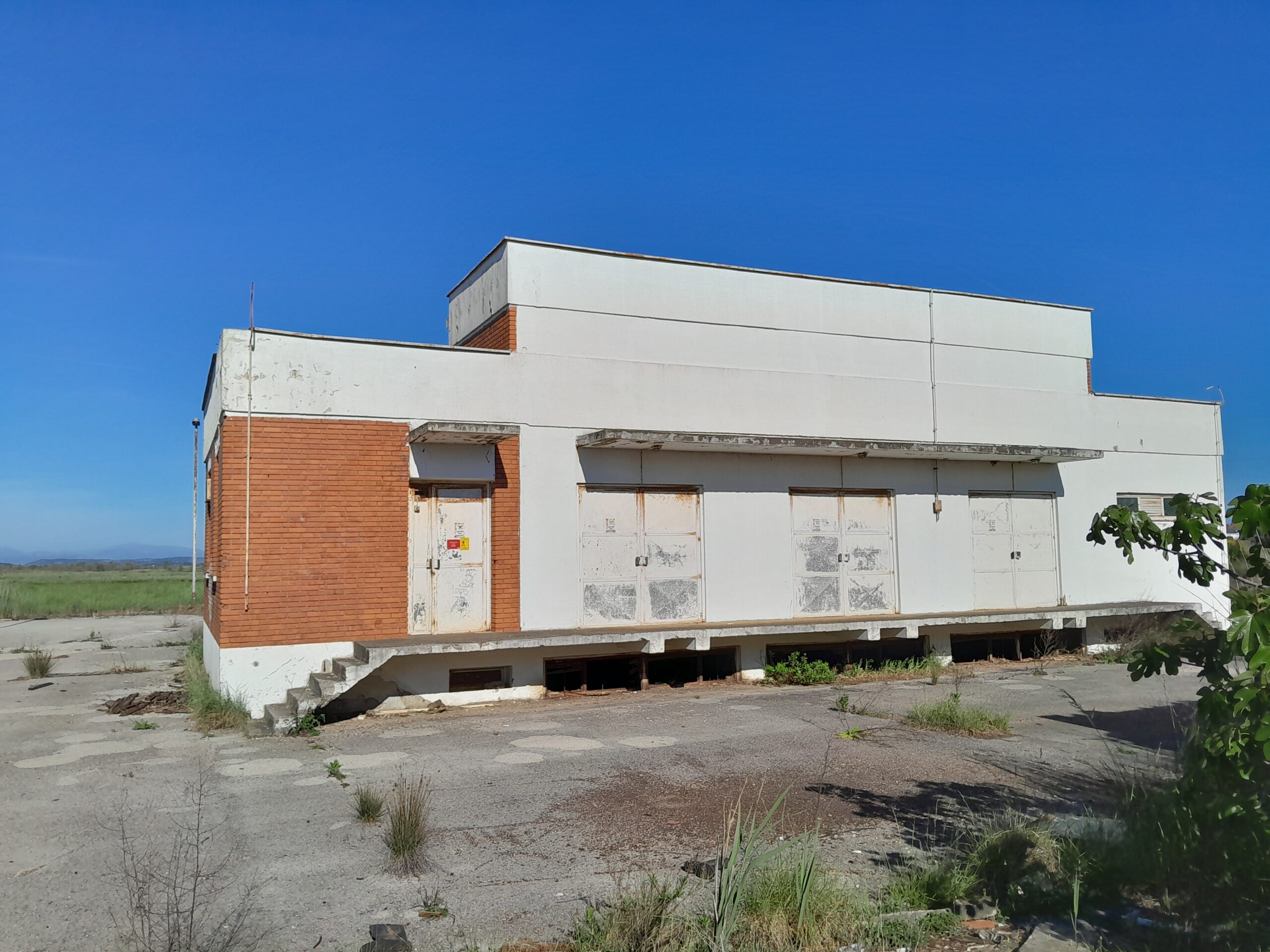
For this reason, the “Salt and Time” project is establishing an interpretive route through the industrial zone of the former saltworks.
The route connects the buildings and facilities that once played different but interconnected roles in the operation of the Salina:
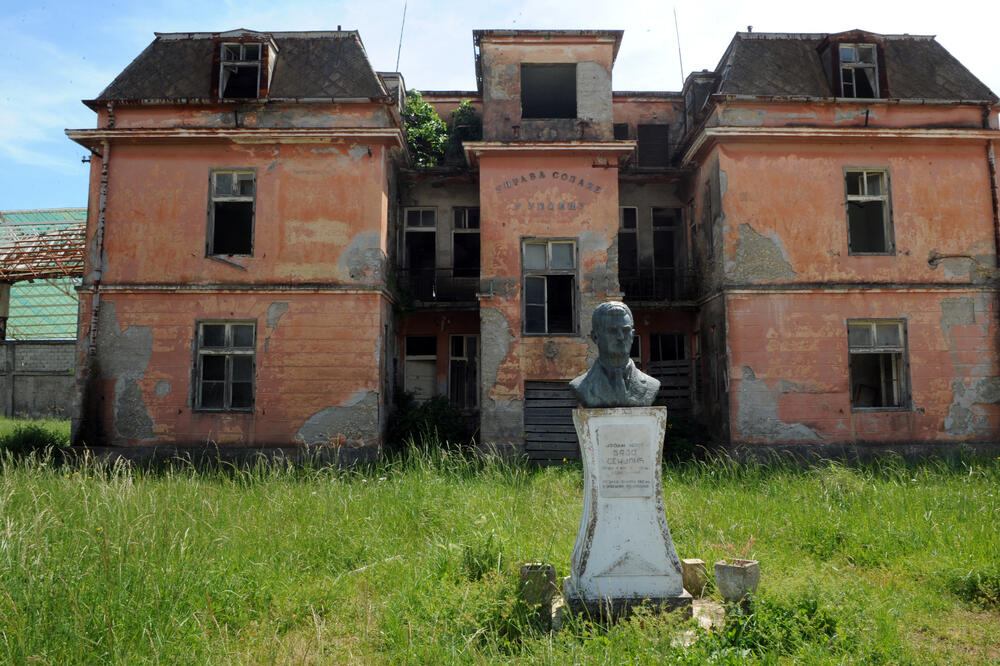
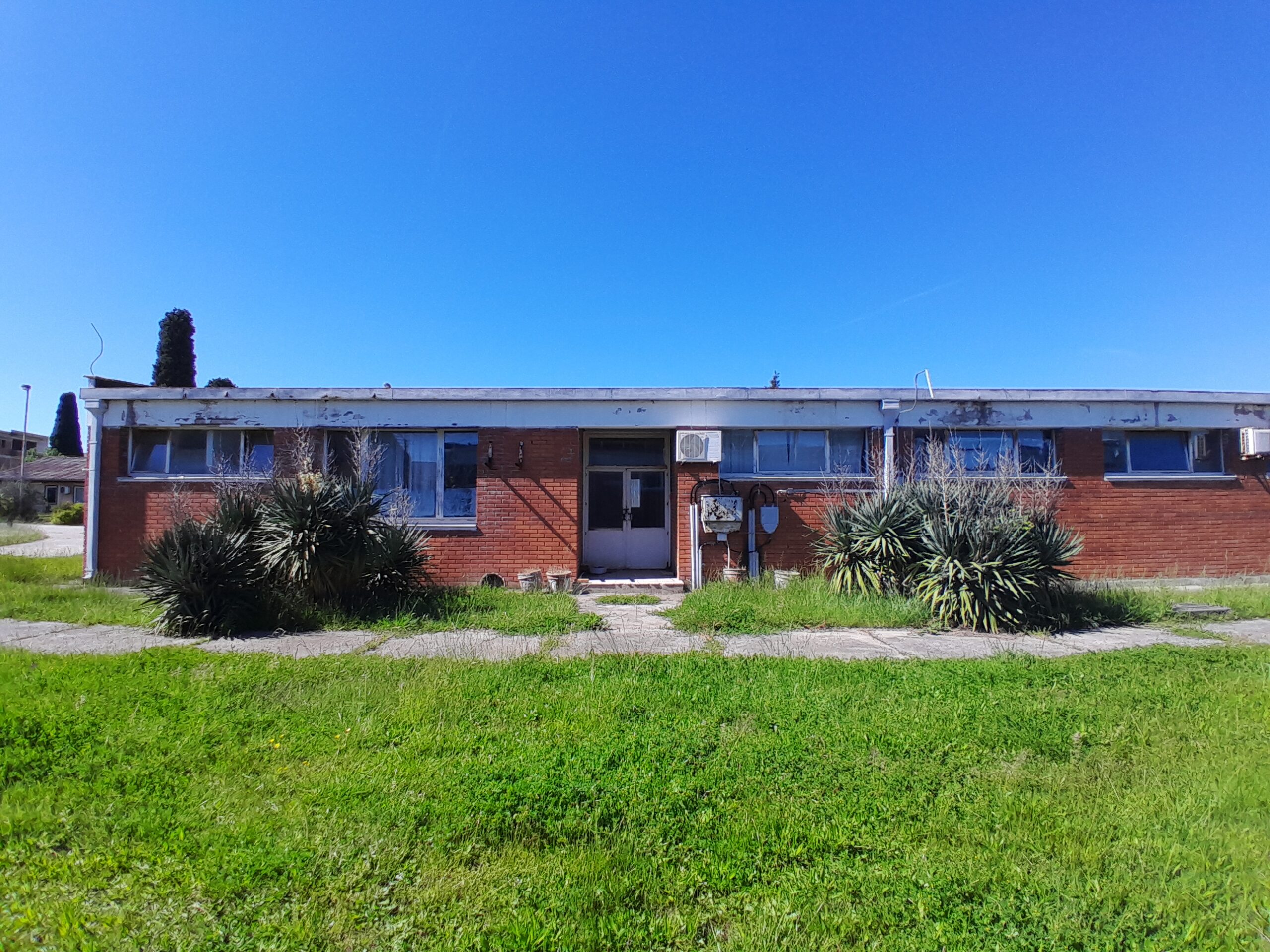
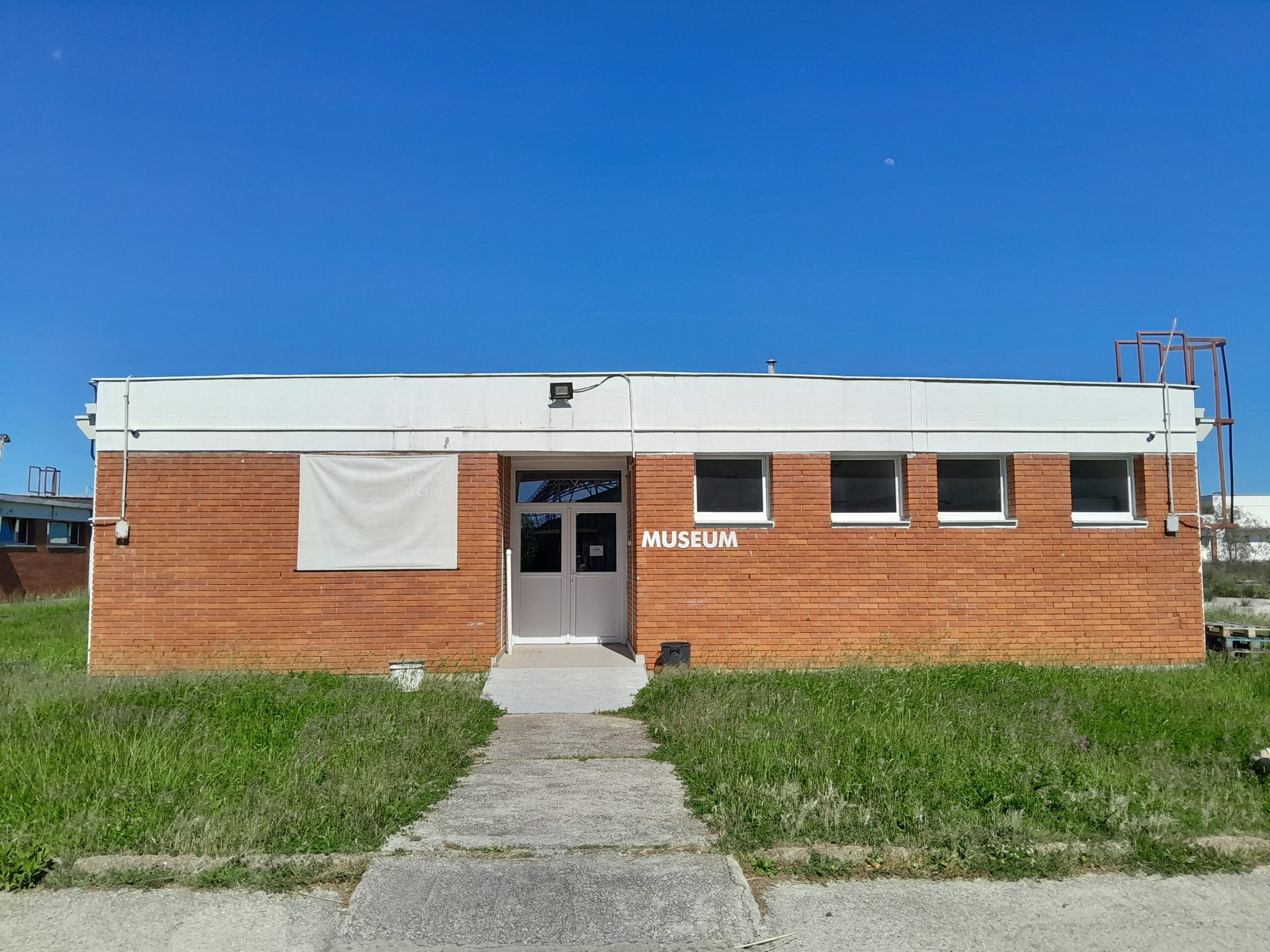
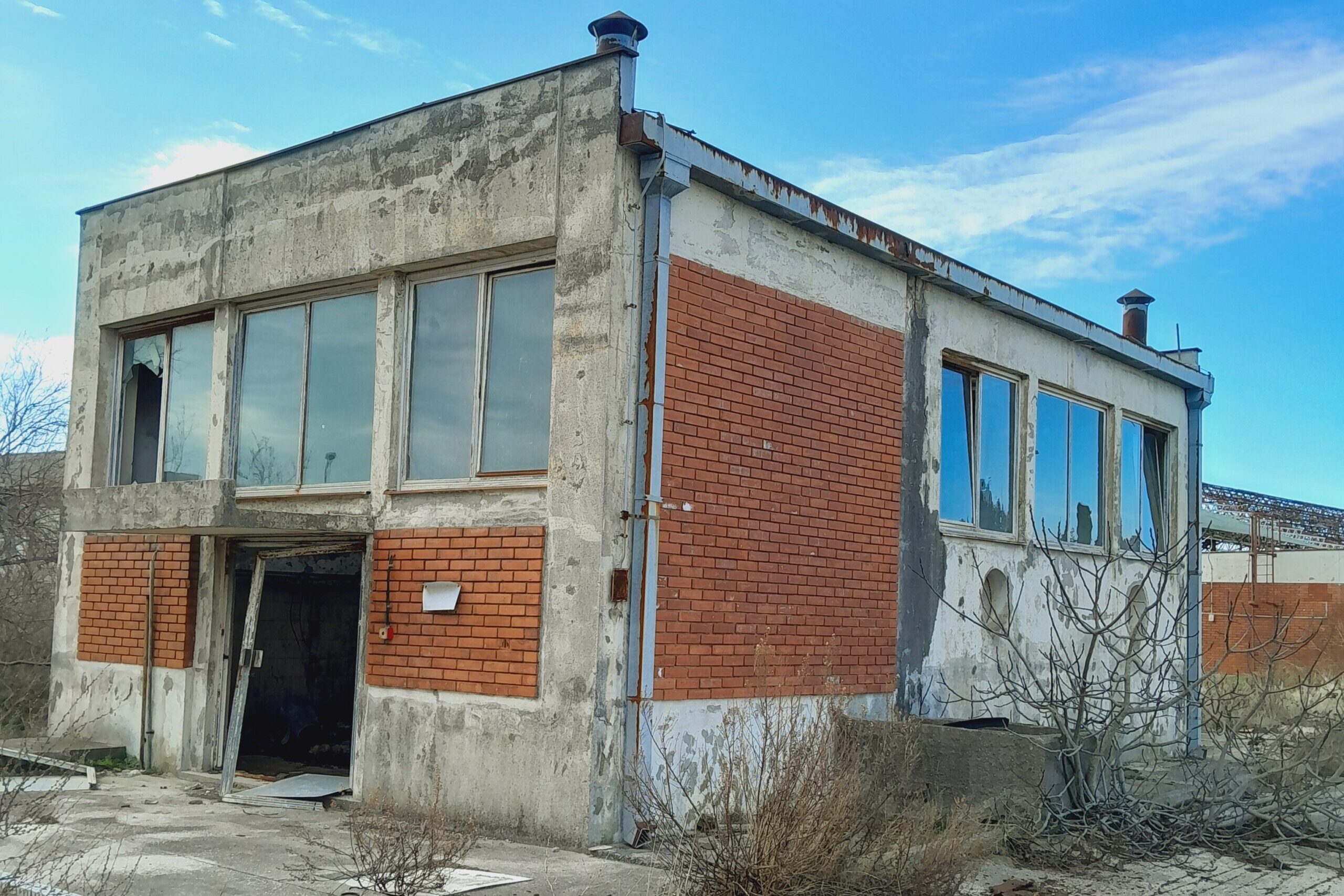
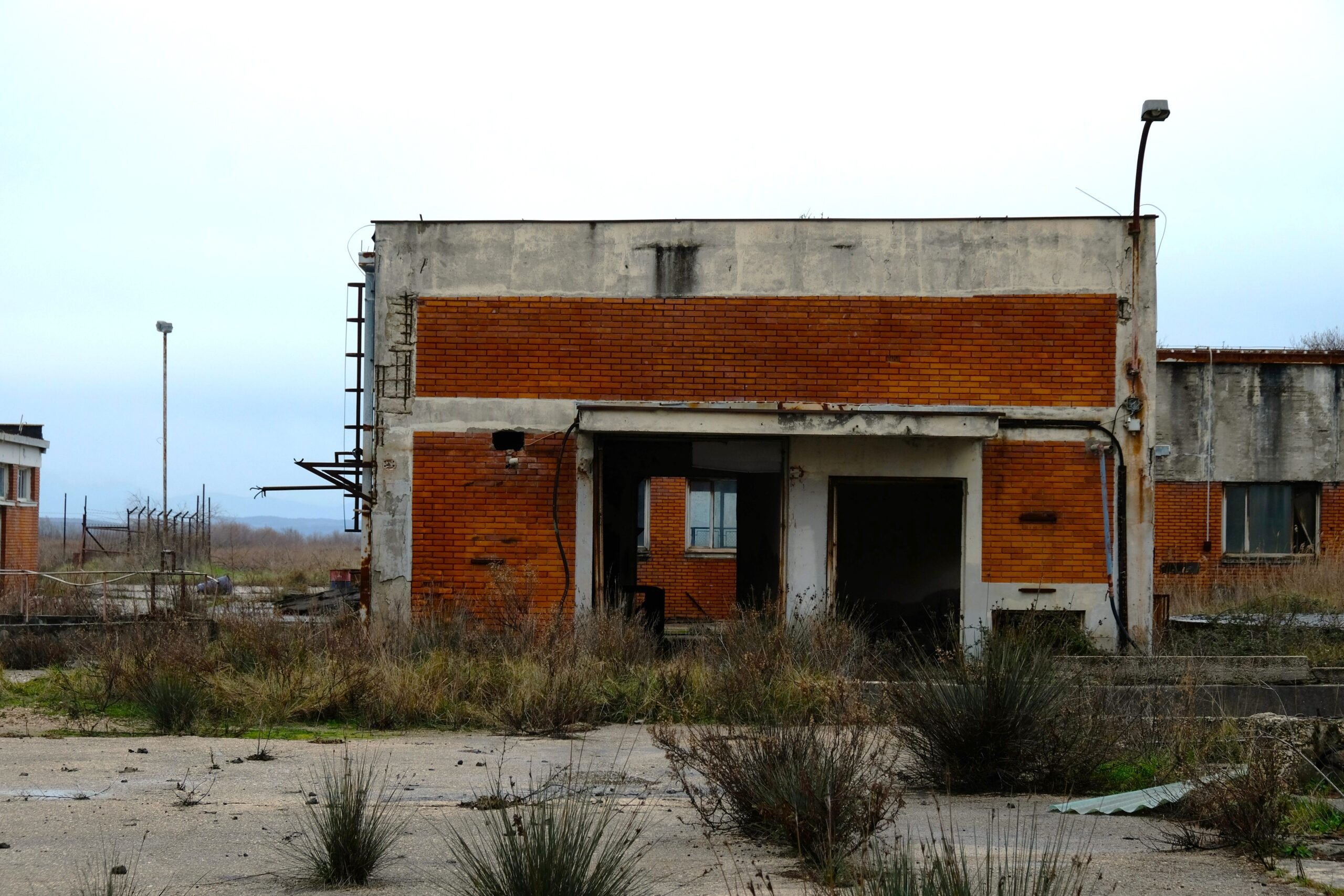
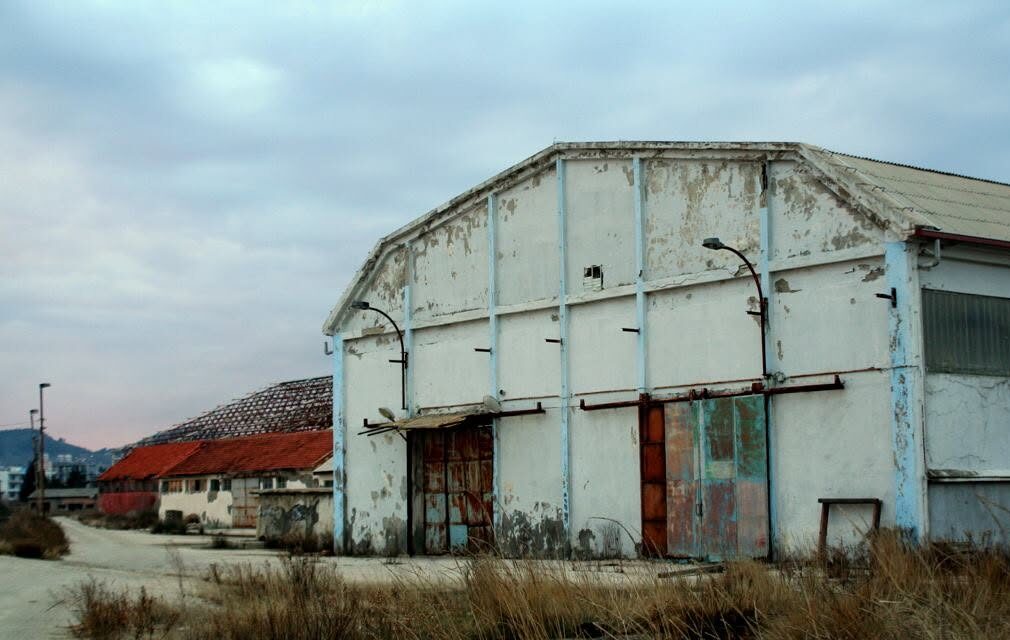
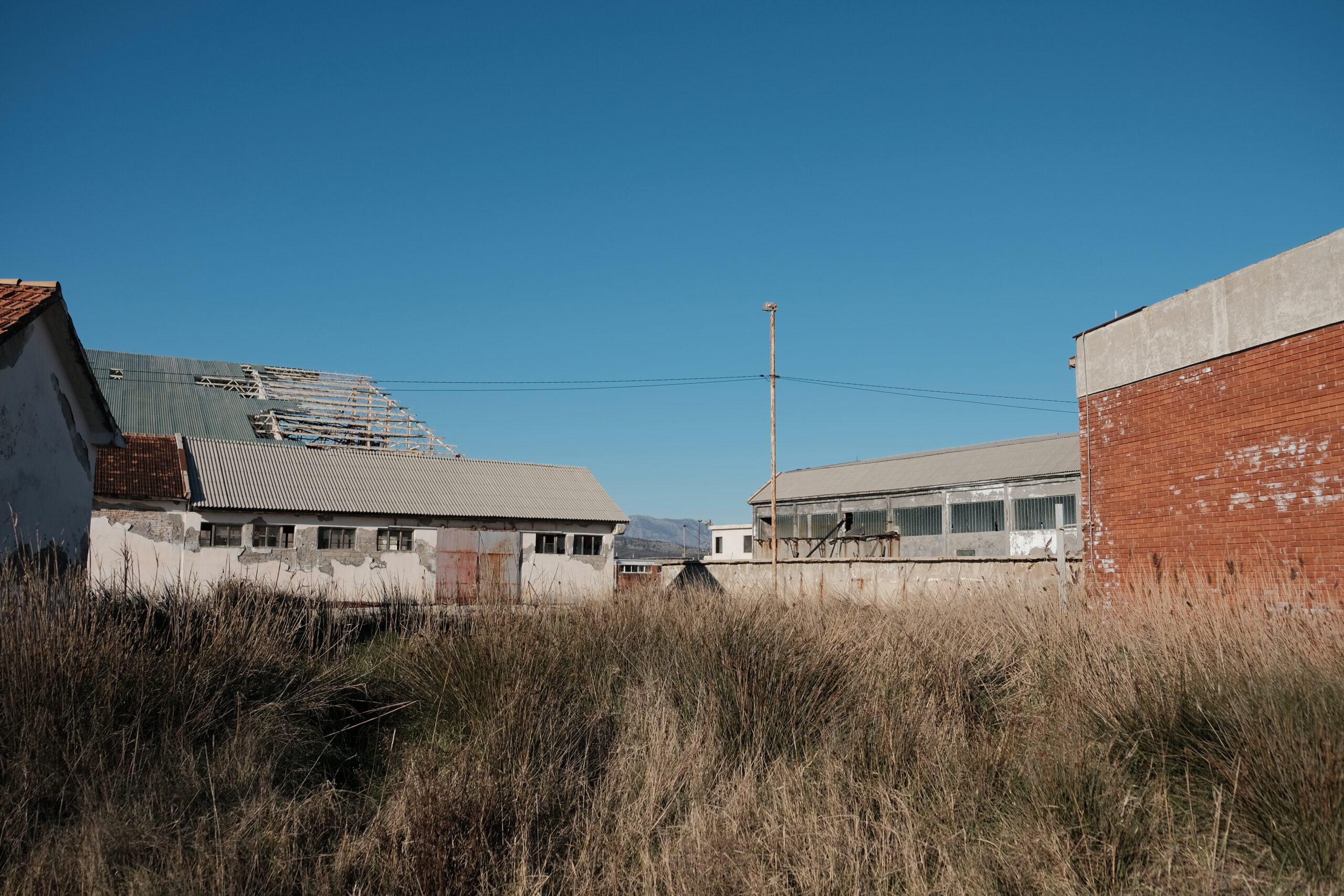
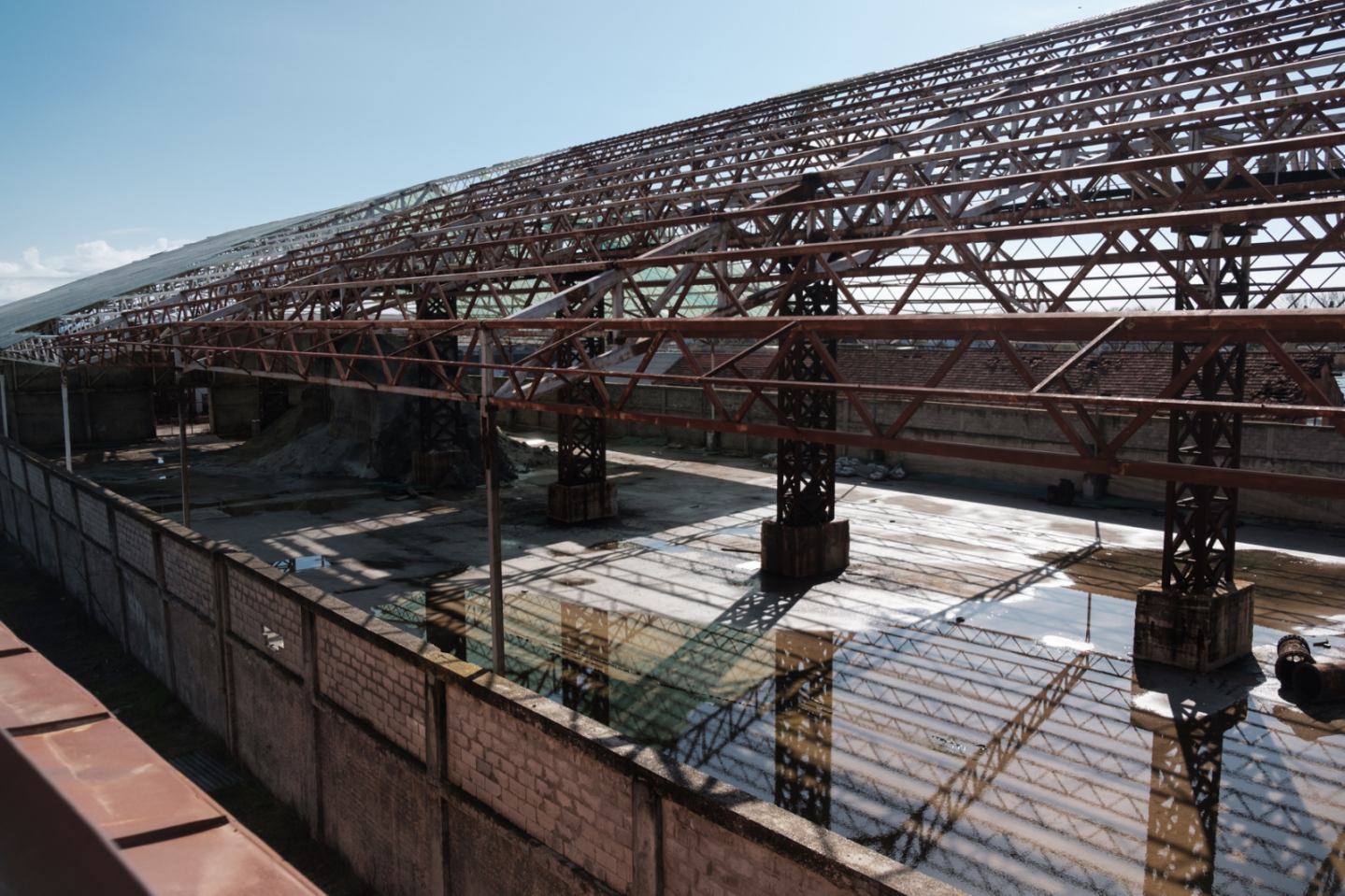
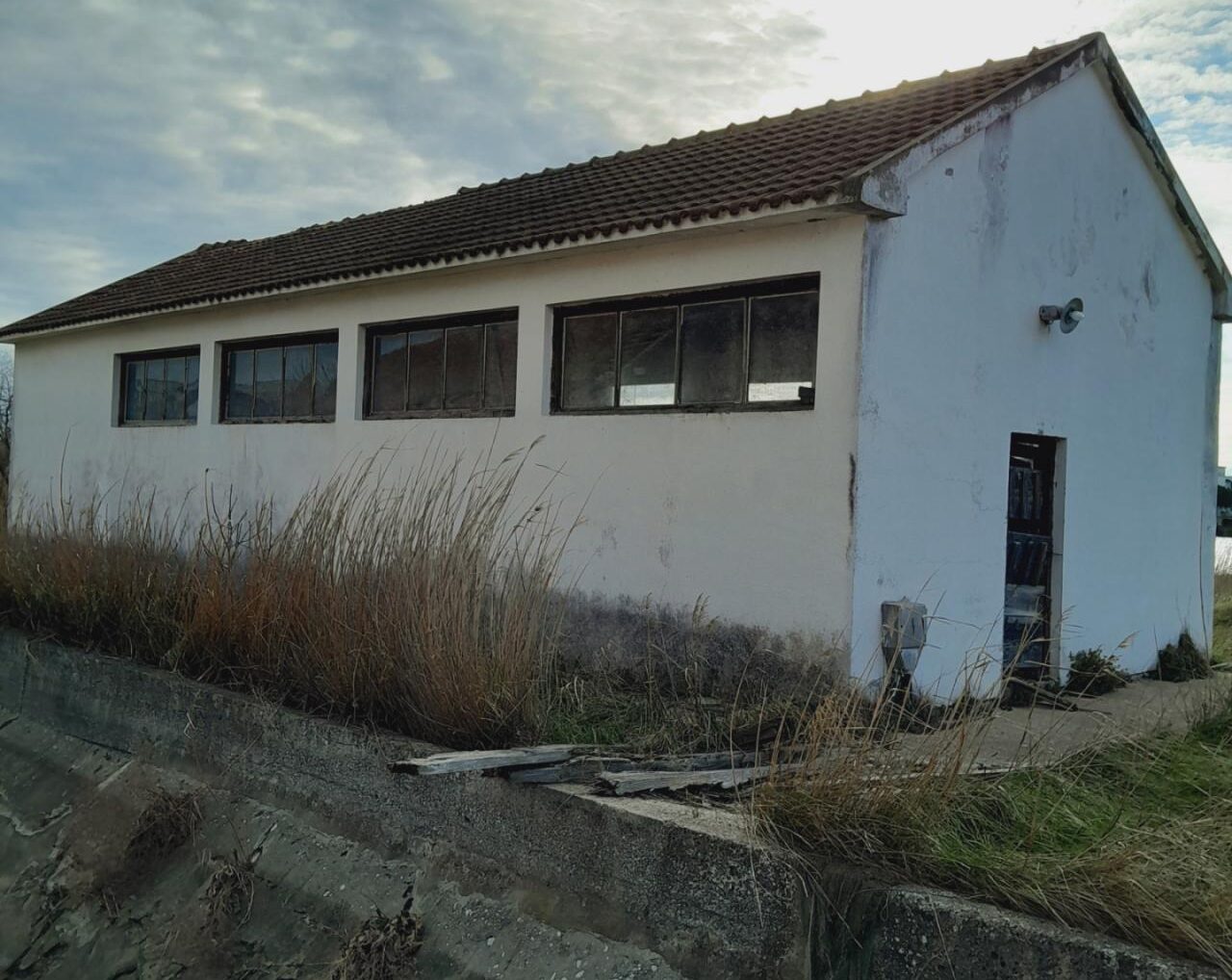
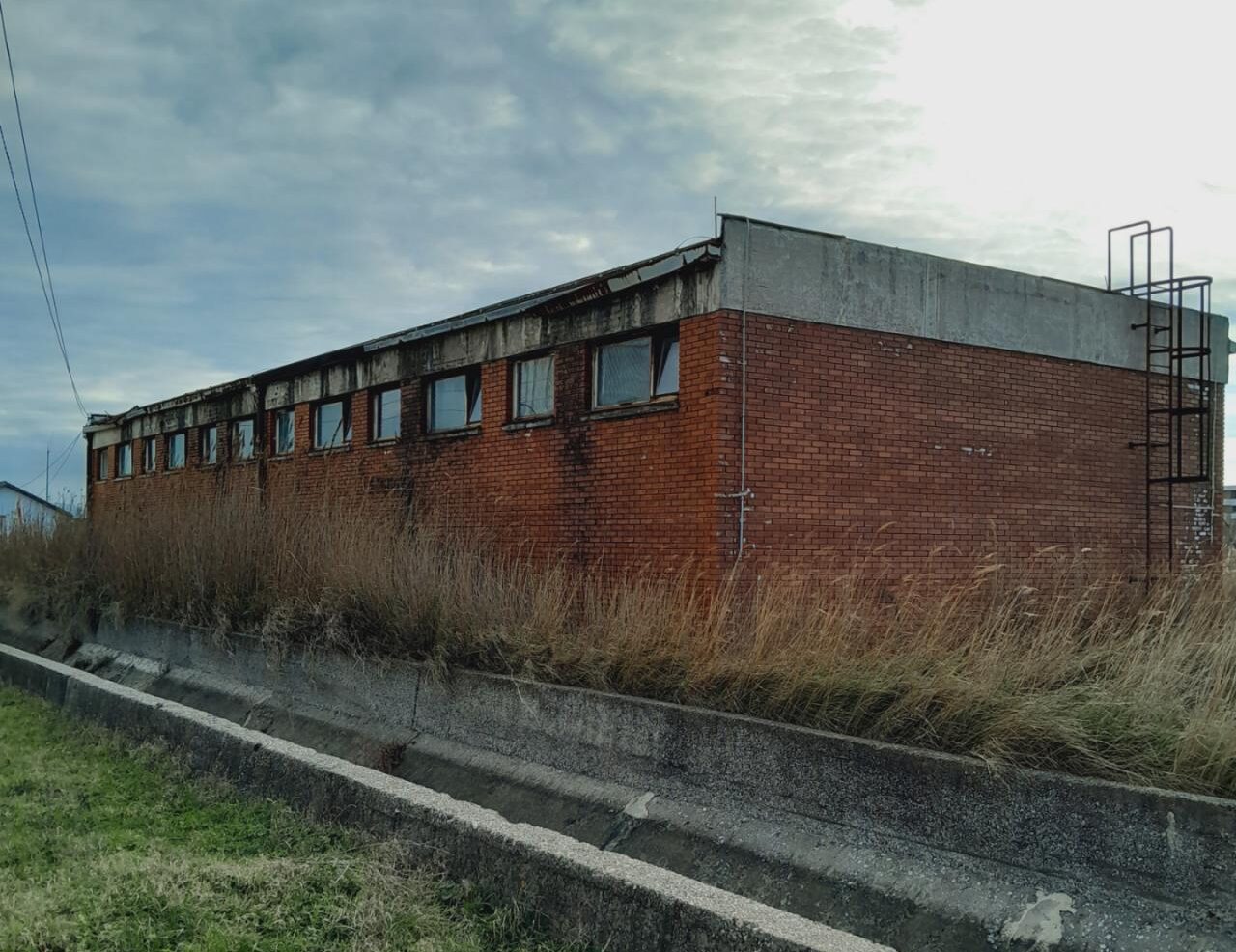
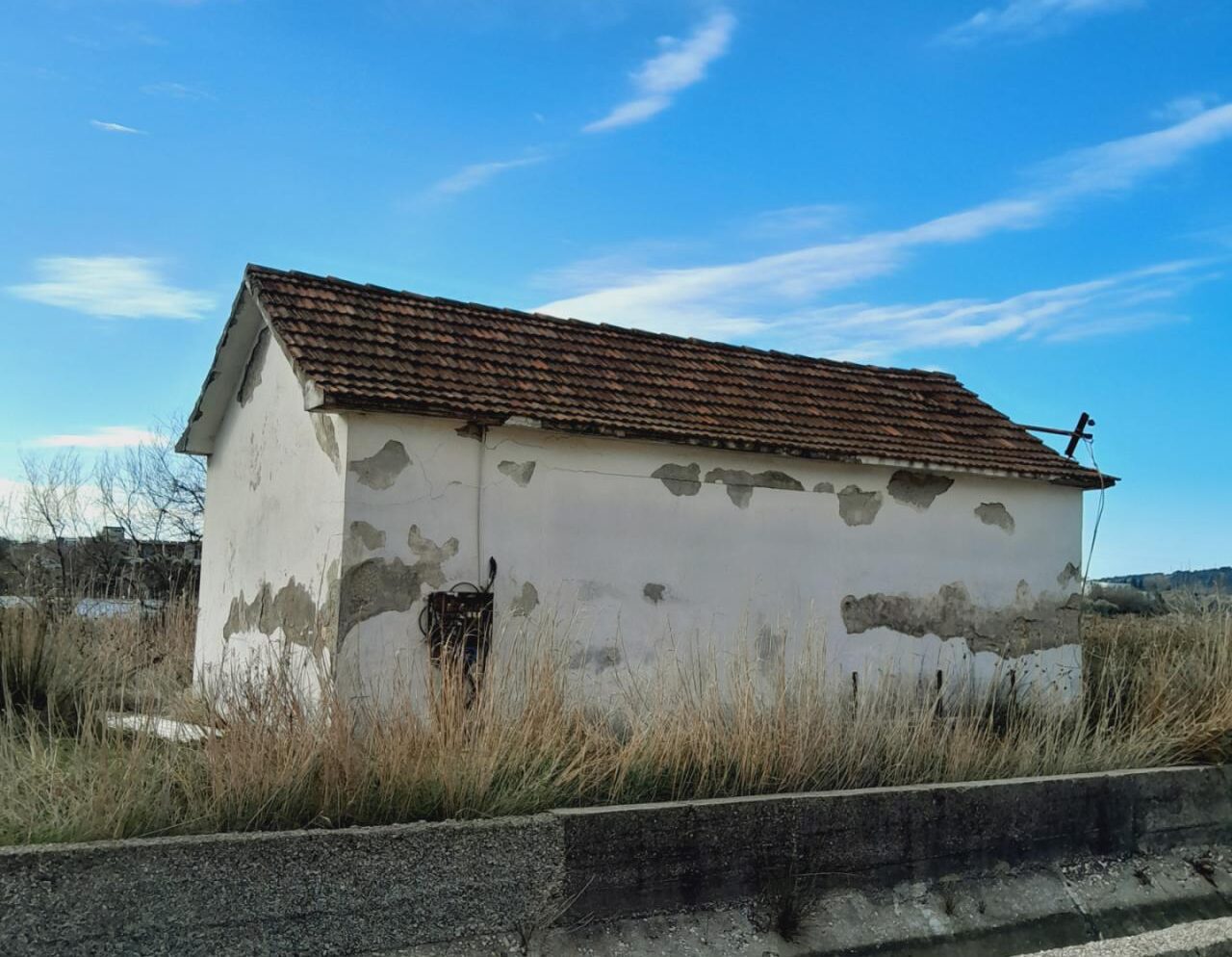
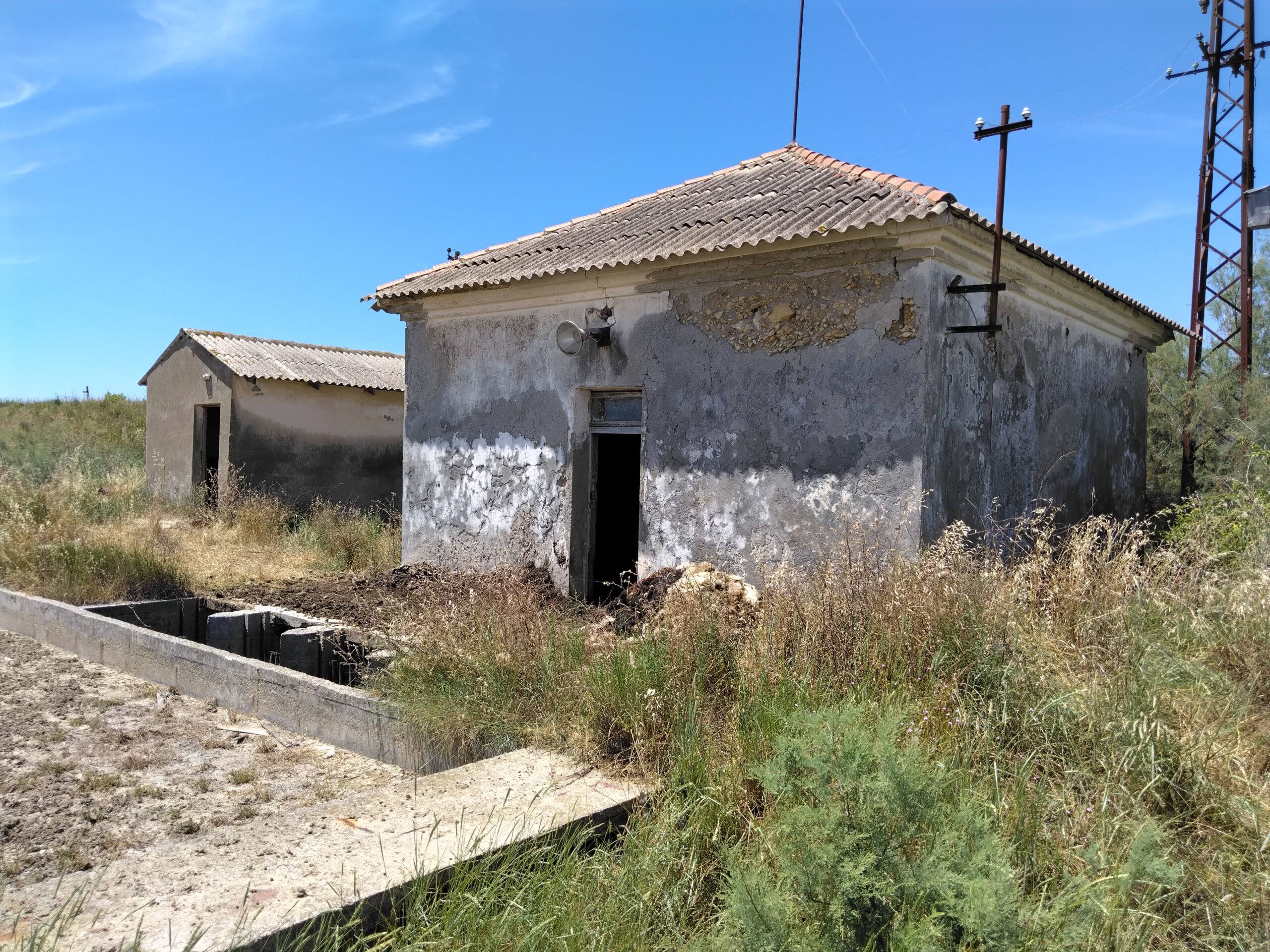
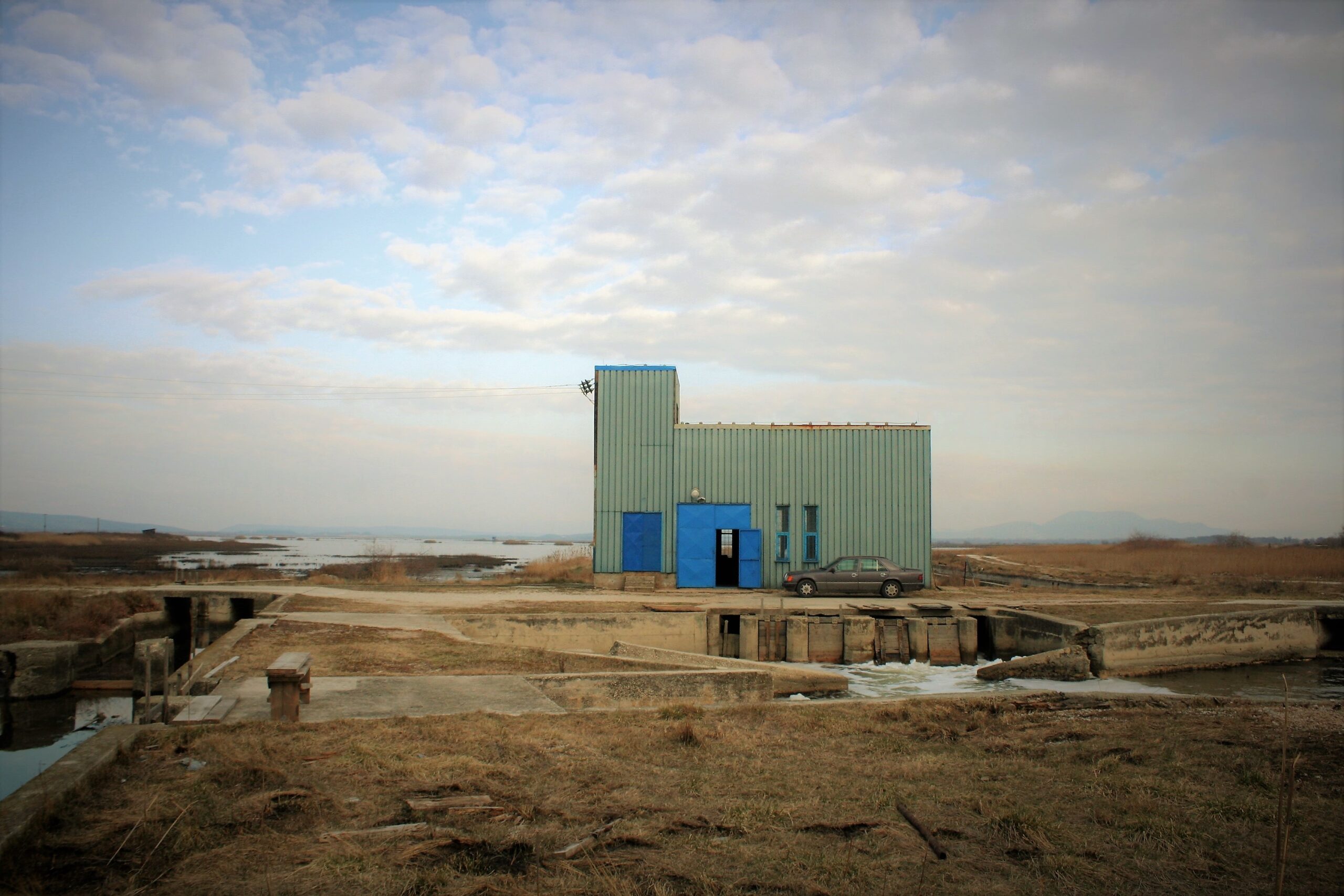
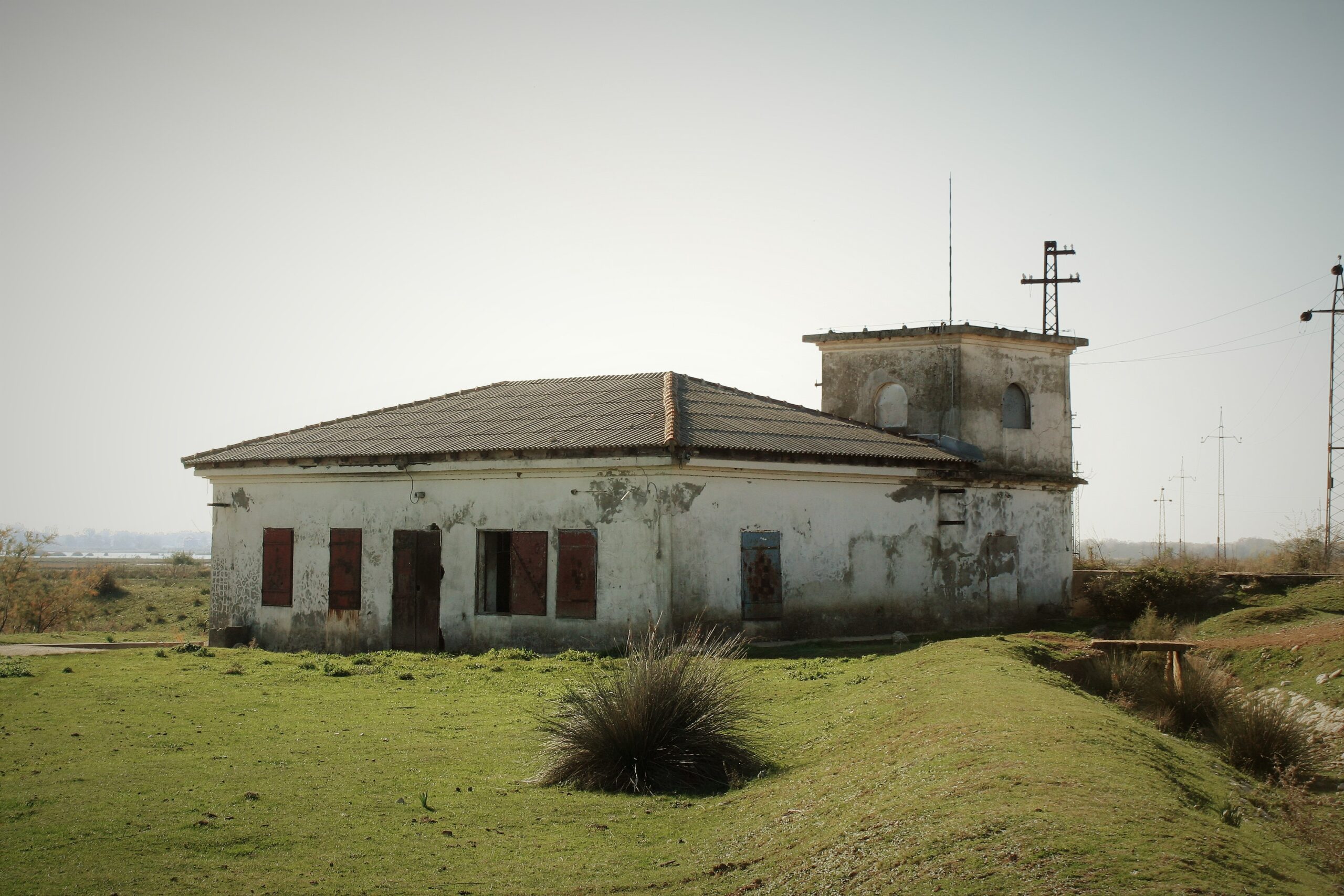
Old Administration Building · Laboratory · Museum · Fuel Storage · Boiler House · Central Warehouse · Maintenance Workshop · Transformer Station · Compressor Station · Salt Processing Hangar · Packaging Warehouse · Workers’ Changing Rooms · Carpentry Workshop · Warehouses I and II · Raw Salt Hangar · Pumping Stations No. 9, 16 and 31.
Each of them preserves one part of a much larger story.
Through interpretive panels and QR codes, visitors can discover what these buildings were used for, see what they once looked like, learn about the people who worked there and understand how they all formed part of one large production system.